
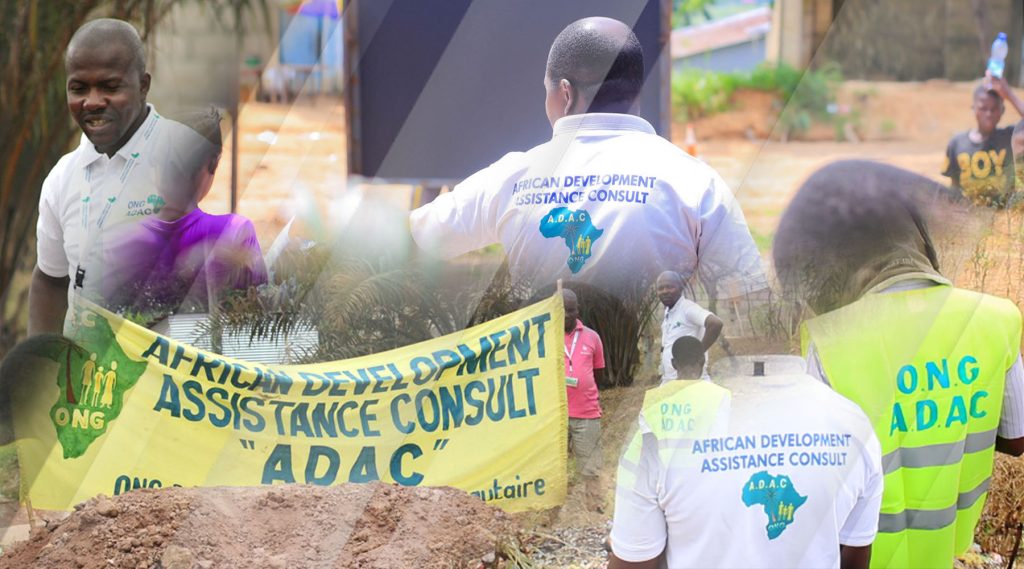
Every community we serve is feeling the pressure of rising substance use. Roughly 296 million people worldwide used psychoactive drugs in 2021, and 0.6 million died from drug-related causes – another 2.6 million deaths were linked to alcohol.
Africa bears a disproportionate share: about 60 million Africans used illicit drugs in 2018, a figure UNODC projects could climb to 86 million by 2030; cannabis alone is used by nearly 10 % of adults in West & Central Africa (≈ 31 million people). Alcohol remains the most common substance: one in five African adolescents drinks, and almost one in five reports heavy episodic drinking. Young Africans therefore face a double threat of addiction and the violence, road injuries and school drop-out that follow.
Our Aims
- Delay or Prevent First Use: Equip children, teens and parents with facts and life-skills that help them say “no” to alcohol, tobacco, cannabis and emerging synthetics.
- Early Identification & Referral: Offer on-the-spot screening at schools, markets and partner health centres, then guide anyone at risk to professional counselling or treatment.
- Community Resilience: Mobilise faith groups, sports clubs and women’s associations to promote healthy alternatives and safe public spaces.
- Evidence & Advocacy: Collect local data, share findings with health authorities and push for stronger regulation of advertising, sales and trafficking.
How We Work
| Action | What It Looks Like | Why It Matters |
|---|---|---|
| Peer-Led School Clubs | Trained youth ambassadors run debate sessions, drama skits and social-media challenges that debunk myths about “soft” drugs. | Peer influence is the top driver of first-time use among African teens. |
| Parent & Teacher Workshops | Practical tips for spotting early signs of use, handling relapse and keeping medicines & alcohol locked away. | Strong family boundaries cut adolescent substance use by up to 40 %. |
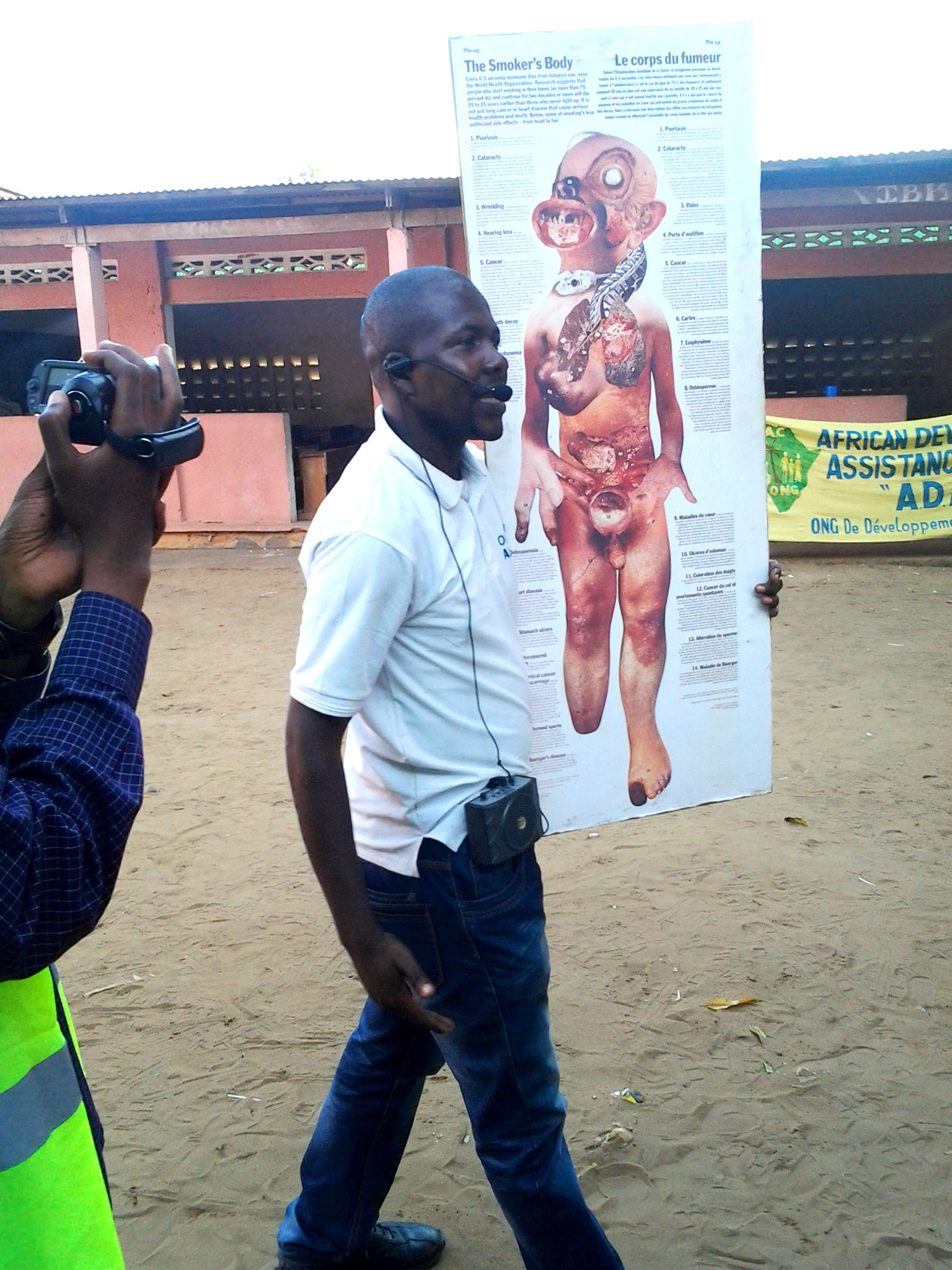
| Street-Corner Outreach | Former users join ADAC staff for night-time walks in hotspots to distribute referral cards and organise clean-up drives. | Visible role-models reduce stigma and link users to help sooner. |
| Youth Sports & Arts Grants | Mini-grants fund community football leagues, dance crews and coding clubs as positive outlets. | Safe leisure activities halve the likelihood of experimenting with drugs. |
| Local Data Collectives | With our partners, we run anonymous surveys and map supply routes. | Many African countries lacks reliable prevalence data; citizen science fills the gap and guides policy. |
Join the Fight
Your support powers prevention rallies, peer-mentor training and safe-space counselling that keep young people healthy and communities secure. Together we can turn the tide on addiction across Africa.